The Reformer Is About Balance, Not Just Strength
As you read on from Part 1, the Reformer, often intimidating at first glance, begins to make sense as the carefully layered sequence reveals how each exercise prepares the body for what comes next.
One of the most powerful things about the Classical Pilates Reformer is how evenly it trains the body.
Joseph Pilates didn’t design the Reformer to overwork one area and ignore another.
He designed it to create balance, between:
- Upper body and lower body
- Strength and mobility
- Effort and control
That balance is built directly into the order.
Why the Order Alternates Push and Pull
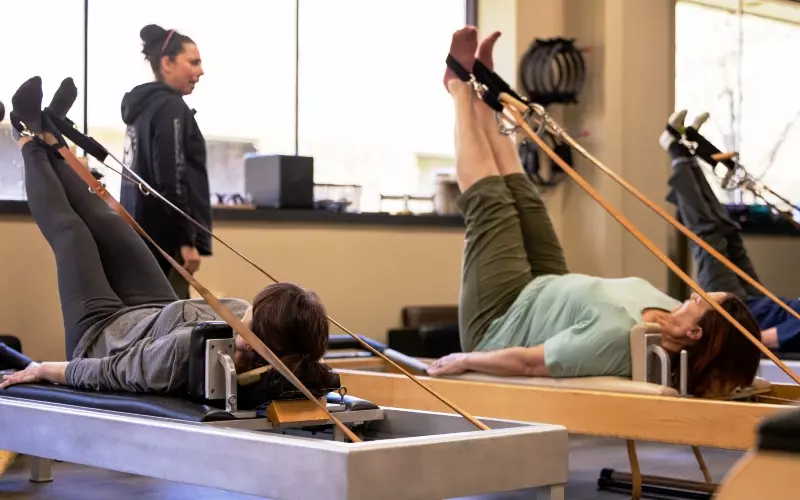
In the Classical Reformer sequence, exercises are intentionally arranged to alternate:
- Pushing and pulling
- Flexion and extension
- Stability and mobility
This prevents:
- Overuse of the shoulders
- Fatigue-driven compensation
- Imbalances that lead to pain
Instead, the body learns to distribute work intelligently, so no single area carries the load alone.
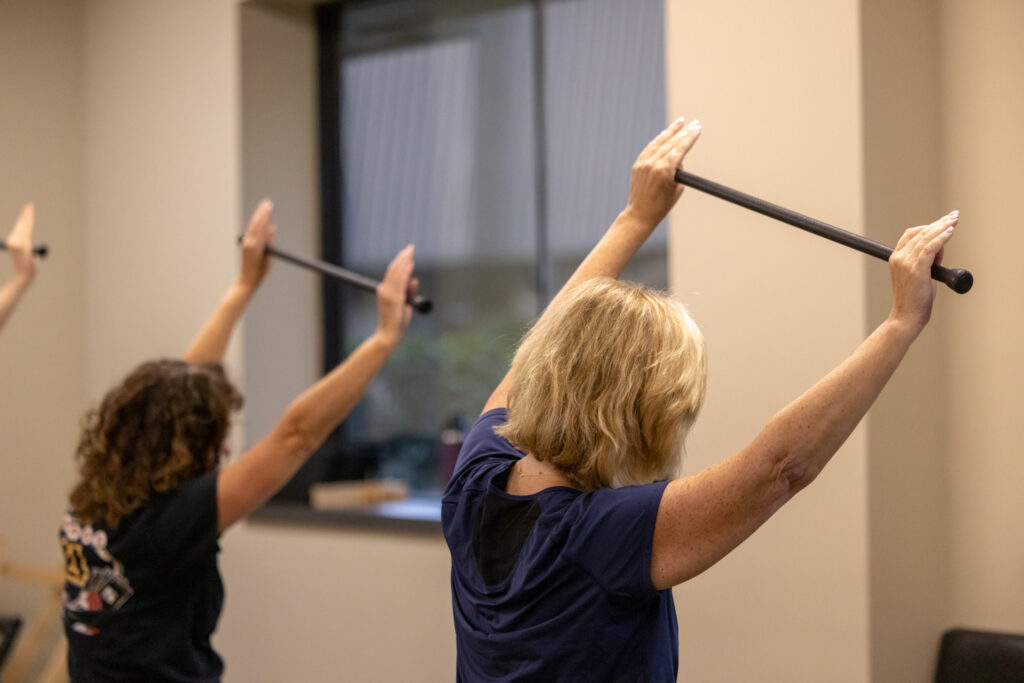
Upper Body Strength Without Neck and Shoulder Tension
Many people come to Pilates with:
- Tight necks
- Overworked shoulders
- Weak upper backs
The Classical Reformer addresses this by:
- Preparing the center first
- Supporting the spine during arm work
- Teaching the shoulders to move from the back, not the neck
When upper body exercises appear in the order, the body is ready to support them.
Clients often notice:
- Less shoulder tension
- Better posture
- Greater ease in everyday tasks
Lower Body Strength That Supports the Spine
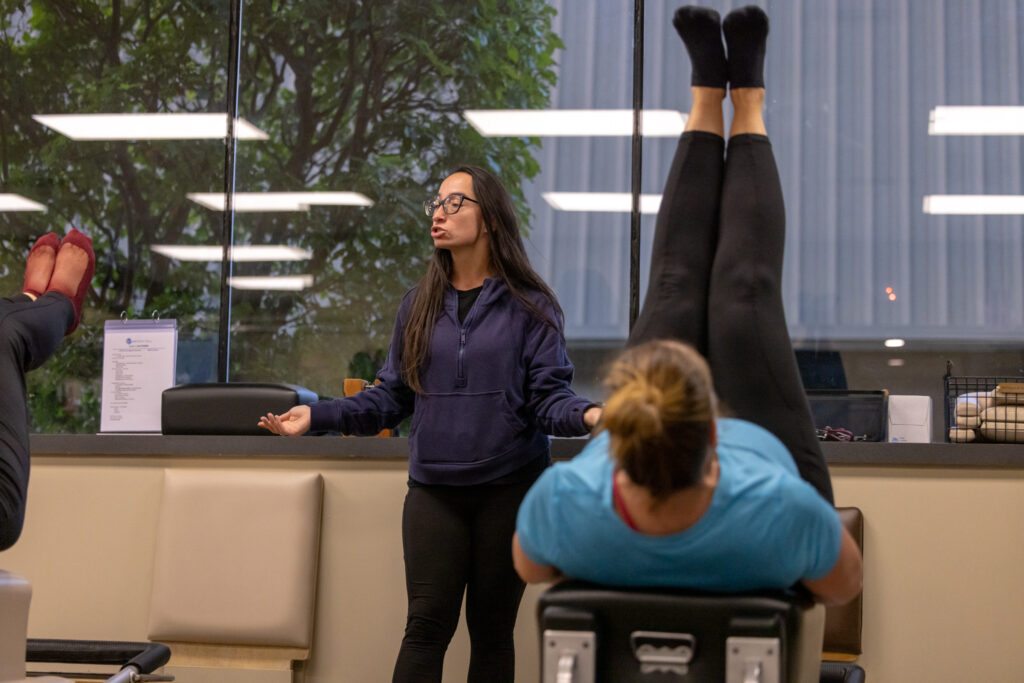
The Reformer builds leg strength in a way that protects the back.
Because the order:
- Activates the center early
- Maintains spinal organization
- Gradually increases challenge
Leg work becomes supportive rather than destabilizing.
This is especially important for:
- Hip health
- Knee support
- Balance and stability as we age
Why the Reformer Builds Confidence, Not Just Muscles
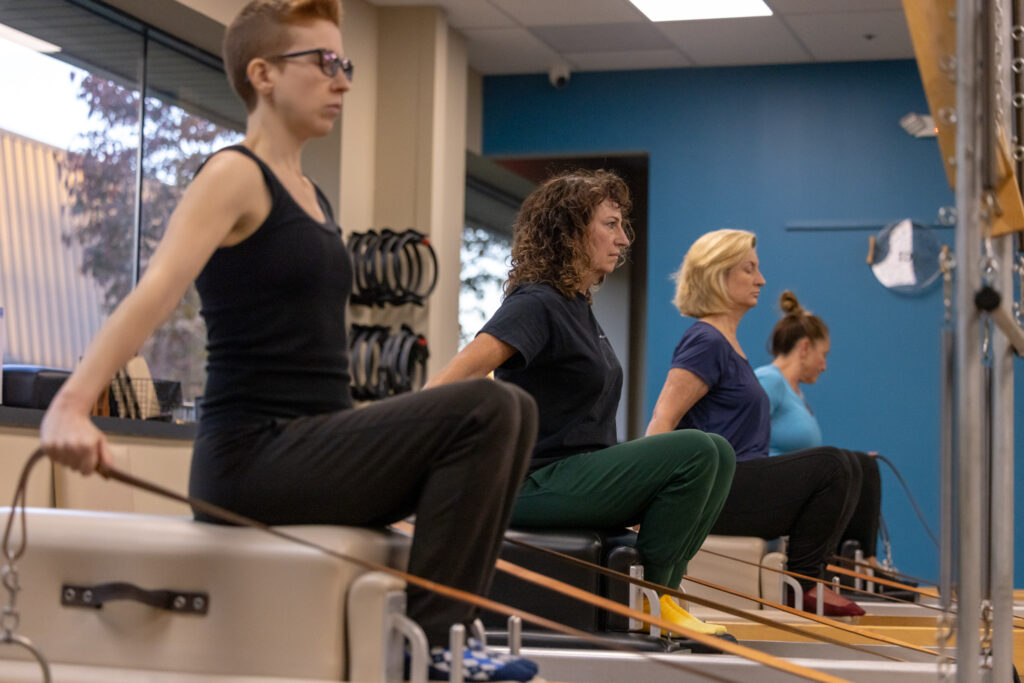
As the sequence progresses, exercises become more demanding, but they arrive at the right time.
By then:
- Strength has been established
- Coordination has improved
- The body understands the work
This progression builds confidence.
Clients often leave the Reformer feeling:
- Capable
- Balanced
- In control of their movement
The Reformer as a Tool for Longevity
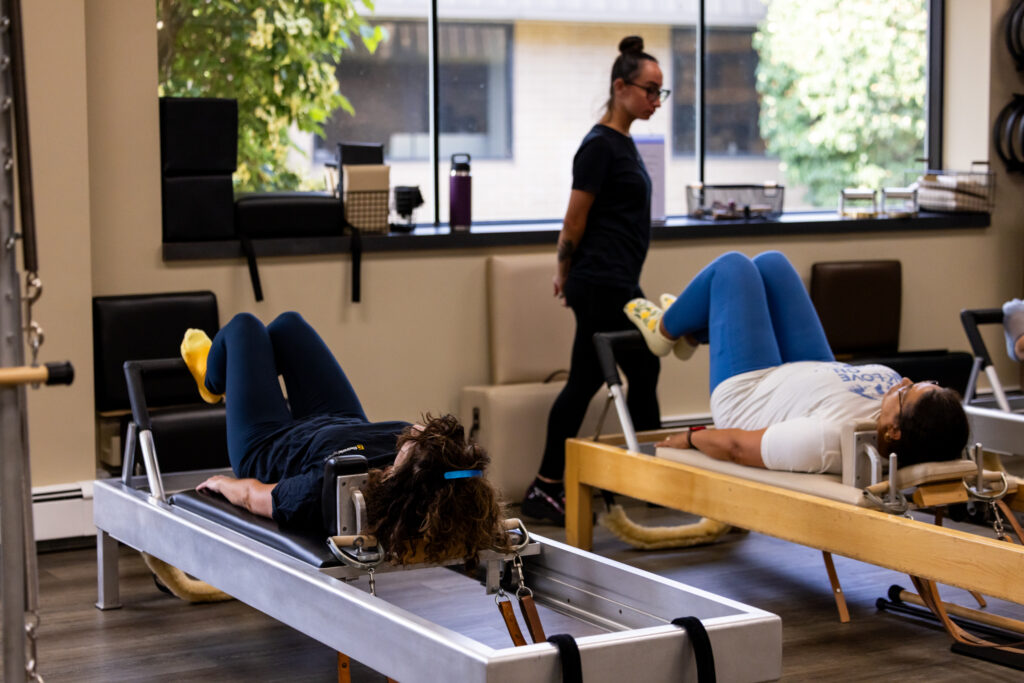
The Classical Reformer order isn’t about chasing intensity.
It’s about creating a body that:
- Moves efficiently
- Stays resilient
- Feels supported year after year
That’s why the Reformer remains such a cornerstone of the Pilates method.