The Reformer Was Designed to Teach the Body, Not Impress It
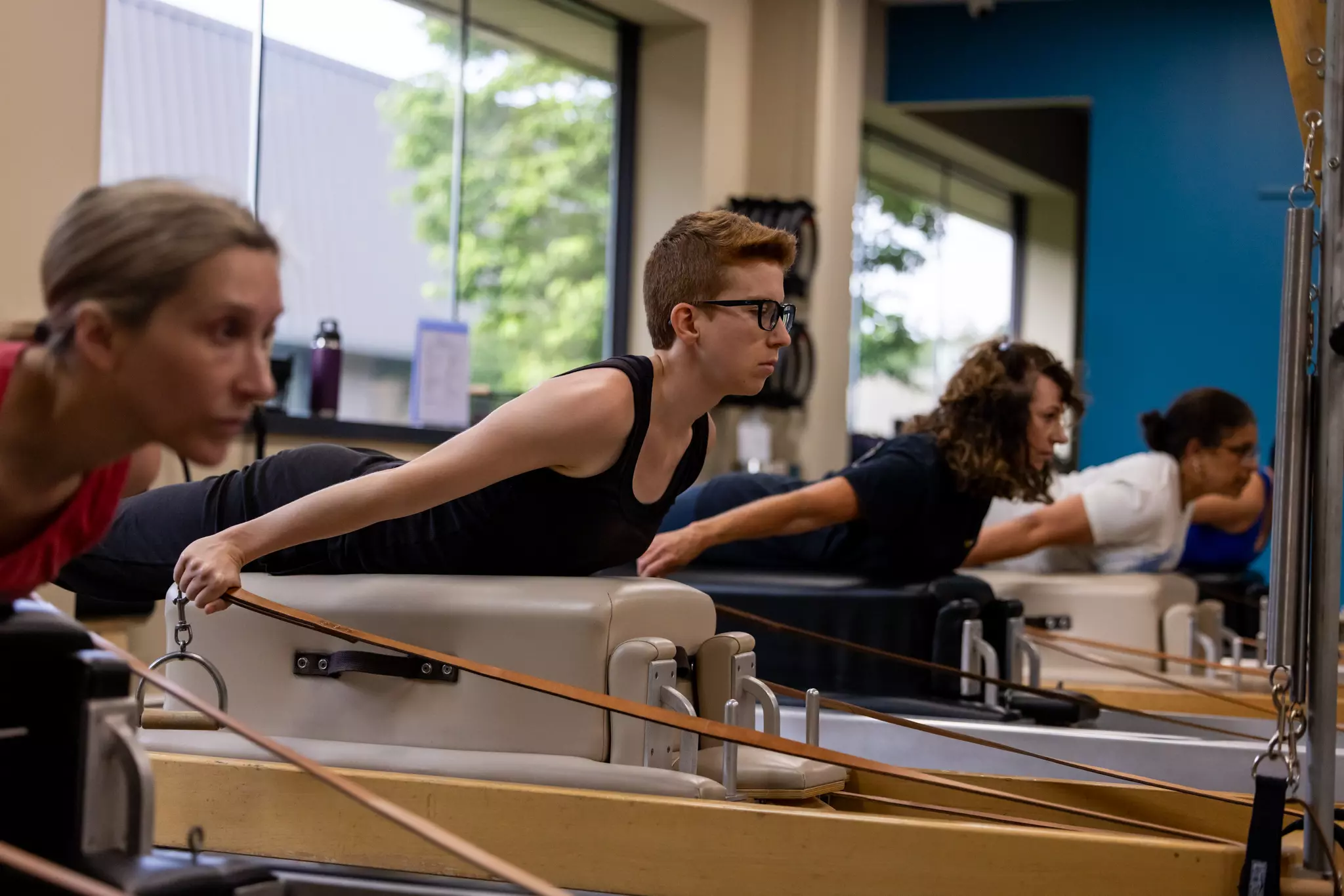
The Reformer often looks intimidating.
Springs. Straps. Moving parts.
But Joseph Pilates didn’t create the Reformer to make exercise harder, he created it to make movement smarter.
Just like the Mat, the Classical Reformer follows a specific order.
That sequence is what allows the body to:
- Warm up safely
- Build strength progressively
- Move with control rather than force
When the order is respected, the Reformer becomes one of the most supportive pieces of equipment in the studio.
Why the Reformer Has an Order at All
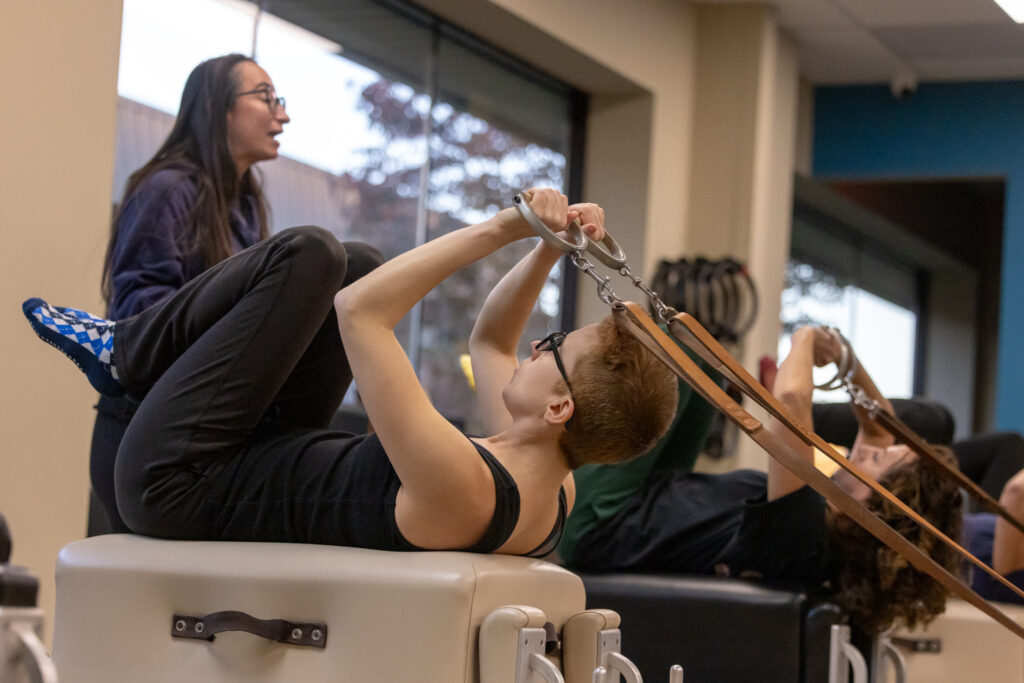
Springs add resistance, and resistance changes everything.
Without a clear progression:
- Joints can be overloaded
- Muscles can compensate
- Fatigue can override form
The Classical Reformer order ensures:
- The center is activated before heavy spring work
- The spine is prepared before deep ranges of motion
- Strength builds evenly across the body
It’s not about restriction, it’s about protection.
The Beginning of the Reformer: Organizing the Body
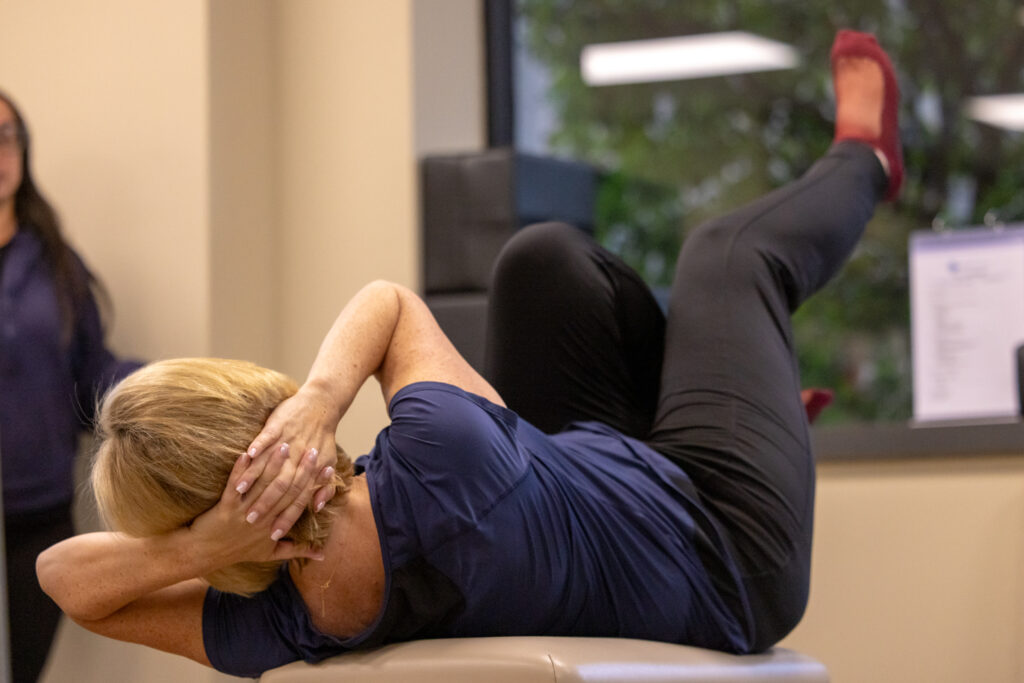
The early Reformer exercises aren’t flashy, and that’s intentional.
They focus on:
- Awakening the powerhouse
- Aligning the hips and spine
- Coordinating breath with movement
Footwork, for example, isn’t just for the legs.
It teaches:
- How to connect the legs to the center
- How to stabilize the pelvis
- How to move against resistance without gripping
This foundation sets the tone for everything that follows.
Why the Reformer Feels Supportive Instead of Stressful
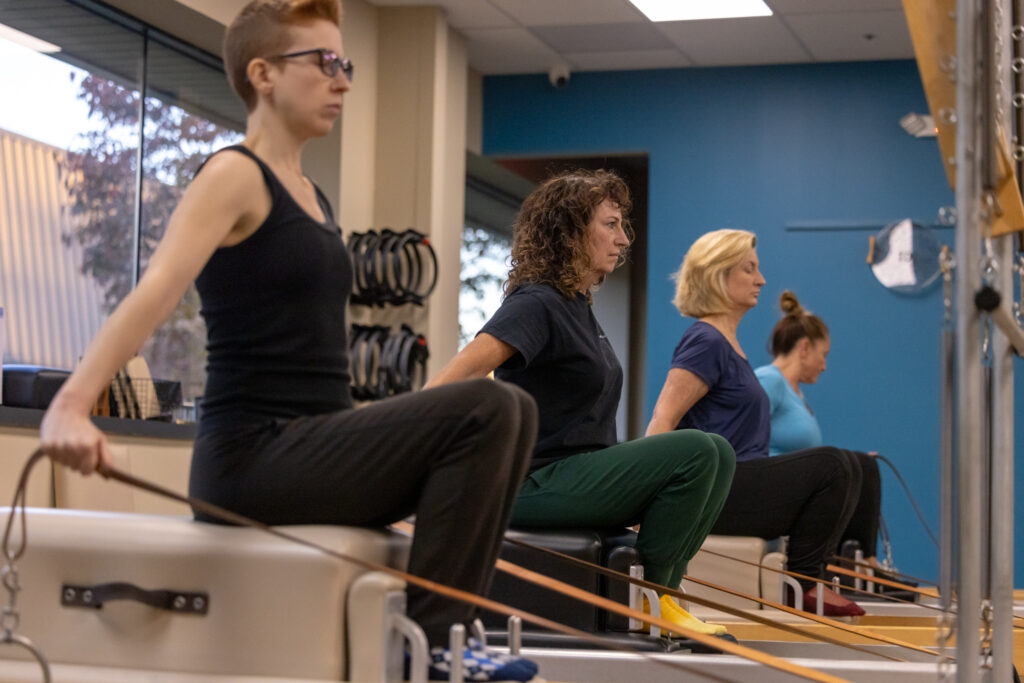
Unlike free weights or machines that isolate muscles, the Reformer:
- Encourages whole-body coordination
- Supports the spine while challenging it
- Allows resistance to change smoothly
When the order is respected, the body learns to:
- Generate strength without tension
- Move with efficiency
- Trust its own support
Clients often notice increased confidence, not just strength.
The Reformer as a Teacher, Not a Shortcut
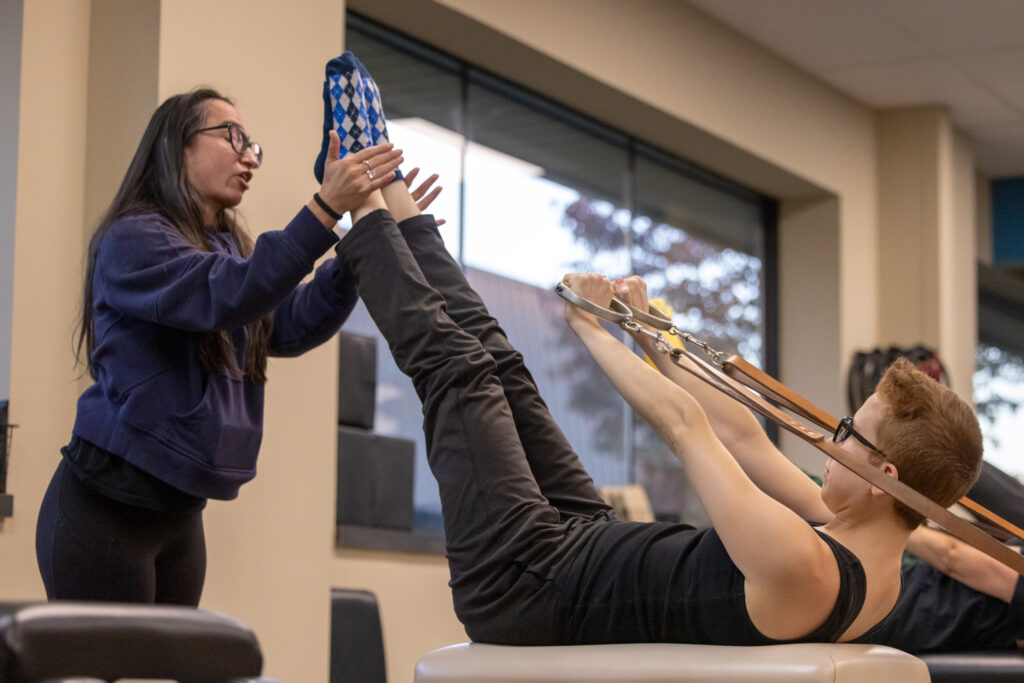
The Reformer isn’t meant to replace the work, it’s meant to refine it.
Joseph Pilates designed it to:
- Give feedback
- Expose imbalances
- Guide better movement patterns
When used in sequence, the Reformer teaches the body how to move, not just how to work harder.
Coming Next: How the Reformer Progresses the Whole Body
In Part 2, we’ll explore:
- How the Reformer challenges upper and lower body balance
- Why pulling and pushing are organized the way they are
- How the order supports longevity and joint health