Let me say the reassuring thing first.
You do not need to be flexible.
You do not need to be advanced.
You do not need to know what every spring and bar does before you walk in.
That is our job.
A good beginner Tower class should feel supportive, clear, and intelligently challenging. Not chaotic. Not showy. Not like you have to “keep up” to belong.
Why people get intimidated by the Tower
People see springs, bars, and a frame and assume the class must be advanced.
Not true.
The Tower is a teaching tool. And like any good teaching tool, it can be used in a way that is supportive, precise, and beginner-friendly.
In fact, for some people, Tower is easier to understand than mat work because it gives more feedback. You can feel where the support is. You can feel where the work is supposed to be. You can feel when something clicks.
What a first class usually feels like
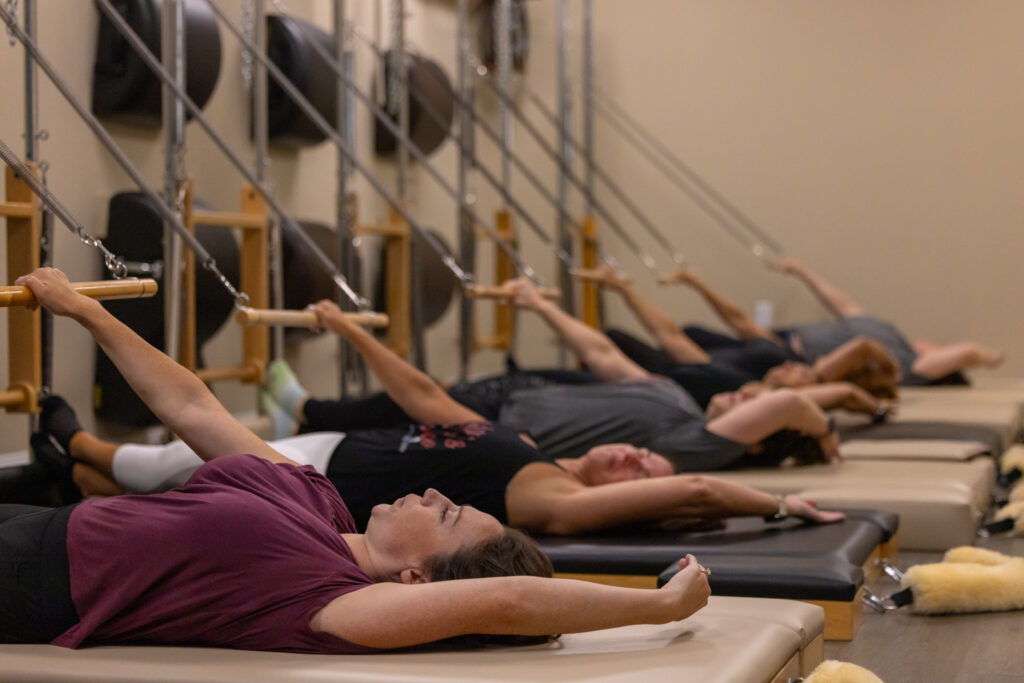
A good first Tower class should not feel sloppy.
It should feel like your instructor is helping you connect to your body in a clearer way.
You may notice:
more support than you expected
more work through your center than you expected
more awareness of your shoulders, ribs, pelvis, and spine
a surprising mix of effort and openness
Some exercises will make sense right away. Some may feel a little unfamiliar. That is normal. New coordination takes a minute.
What you might do in class
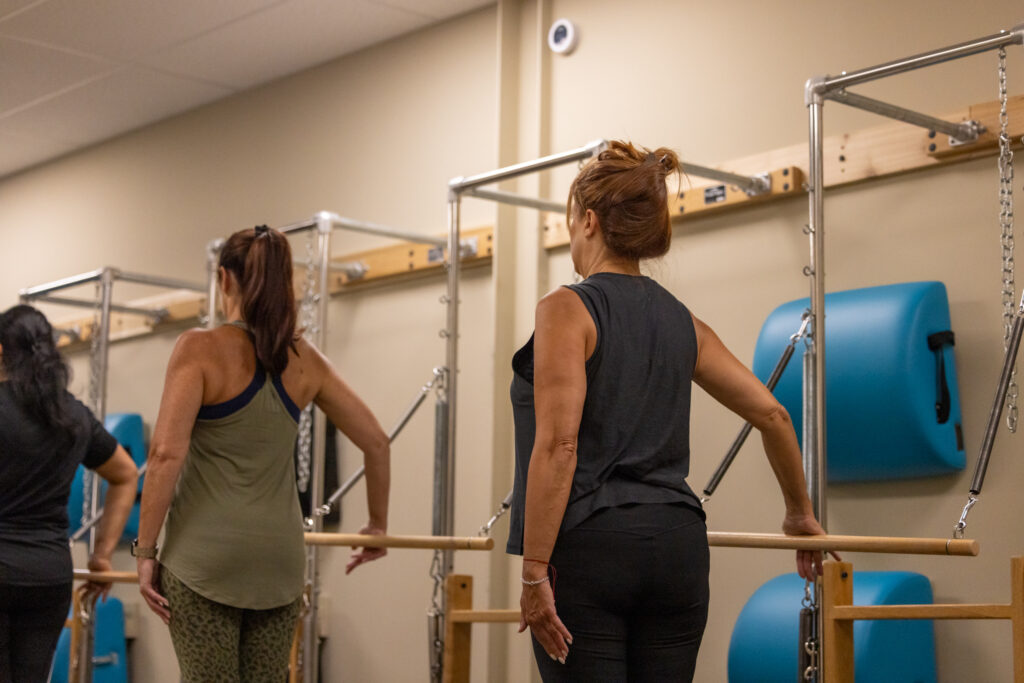
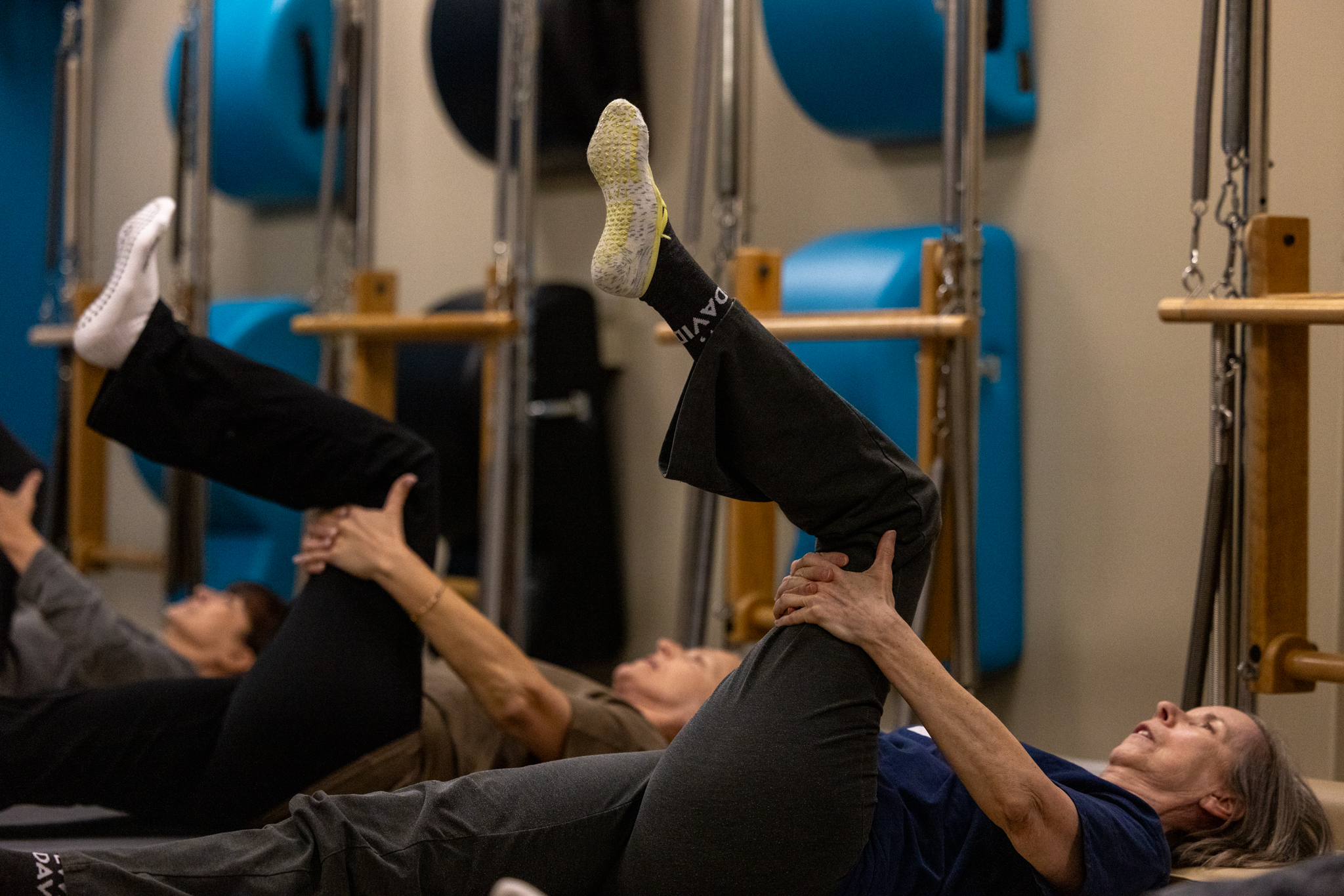
Every studio teaches a little differently, but a beginner-friendly Tower session often includes:
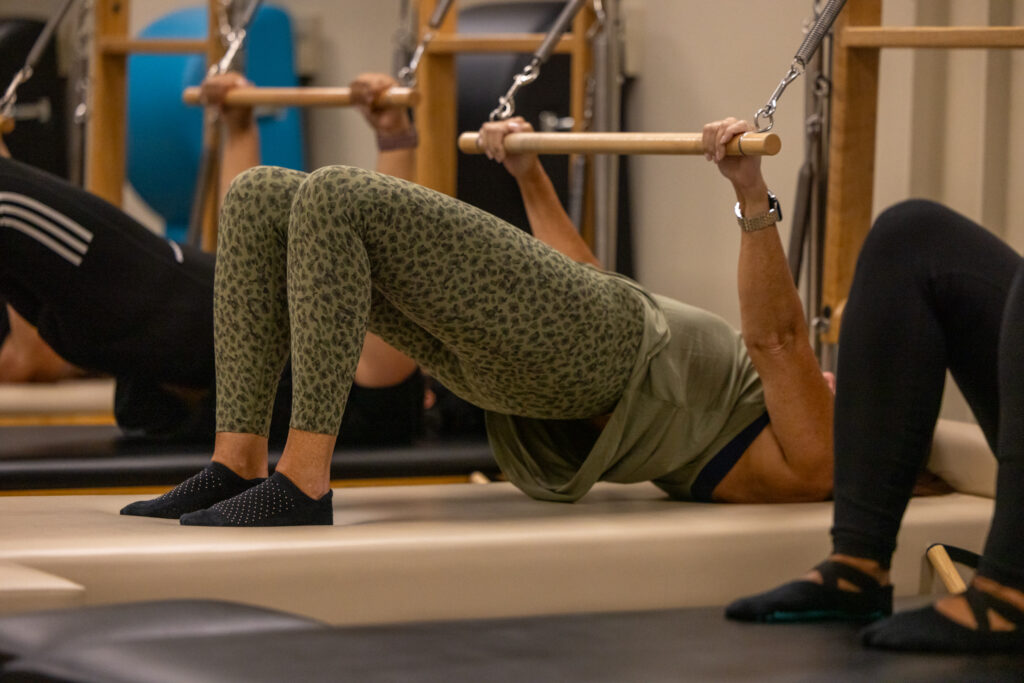
arm spring work to connect the shoulders to the center
leg spring work to organize the hips and legs
spinal articulation to build control through the back body
supported stretching that feels clean, not floppy
postural work that helps you leave feeling taller
You may be lying down for some of it, sitting for some of it, and standing for some of it. The point is not to show off choreography. The point is to teach your body.
How the instructor makes it appropriate for you
This is the part that matters most.
On the Tower, the instructor can change the spring tension, the body position, the range of motion, and the setup.
That means the same apparatus can serve:
a complete beginner
a strong athlete
a postpartum client with clearance
a longtime Pilates client who wants more challenge
Good programming is not about making everybody do the same thing. It is about getting the right response from each body.
What to wear and what to expect practically
Keep it simple.
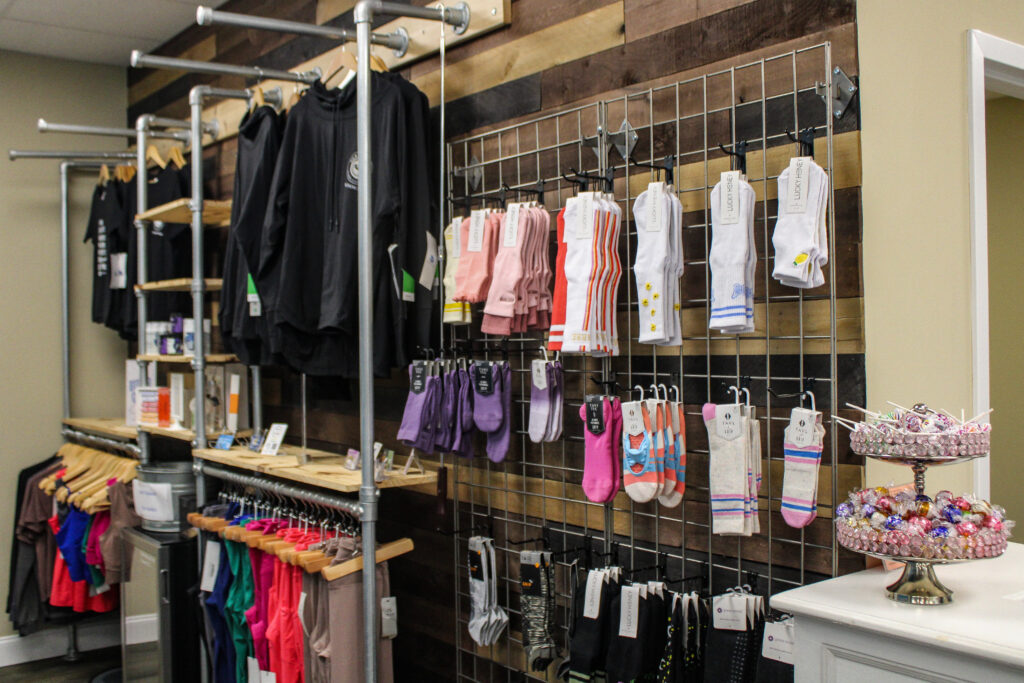
Wear clothes you can move in. Grip socks are usually best on equipment. Show up a few minutes early if it is your first visit. Let your instructor know about injuries, surgeries, pregnancy, postpartum status, or anything else that affects how you move.
And please do not worry about being perfect.
Nobody gets bonus points for pretending something feels easy when it does not. Ask questions. Move well. Learn.
What beginners usually notice after class
Most people do not leave saying, “I memorized every exercise.”
They leave saying things like:
“My back feels better.”
“I did not expect to feel my center that much.”
“I feel worked, but I also feel more open.”
“I understand my body better now.”
That is the sweet spot.
FAQ
Is Tower Pilates harder than Reformer?
Not automatically. It is different. For some people, Tower actually feels clearer and more supportive.
What if I am really out of shape?
You still belong in a well-taught beginner class. The goal is to meet your body where it is.
How many classes does it take to feel comfortable?
Usually a few sessions help a lot. The first class teaches the language. Repetition helps the body trust it.
You do not need to get in shape before starting Tower. Start now. Book your first class at Precision Pilates